


Best Uses of Gauze Bandage for Wound Care And How To Secure Dressings Better
Views: 0 Author: Site Editor Publish Time: 2026-03-14 Origin: Site


Wound care is one of the most fundamental aspects of healthcare, yet the materials used for dressing and protecting injuries can significantly influence healing outcomes. Among these materials, Gauze Bandage remains one of the most widely used solutions across hospitals, clinics, emergency care settings, and home medical kits. Despite the emergence of many modern wound-care products, gauze bandages continue to play a crucial role because of their versatility, breathability, and ability to support different types of dressings.
From minor cuts to post-surgical wound management, gauze bandages provide reliable support for securing dressings, controlling bleeding, and protecting damaged tissue. At Nantong Glory Medical Material Co., Ltd., we have seen how proper application techniques and well-designed gauze bandage products can improve both patient comfort and treatment efficiency. Understanding when and how to use gauze bandages effectively helps healthcare professionals and caregivers maintain clean, stable wound environments while supporting the body’s natural healing process.
Why Gauze Bandage Remains Essential in Modern Wound Care
Versatility across medical environments
Medical professionals value gauze bandages because they can adapt to many different wound care situations. Unlike some specialized dressings designed for a single purpose, gauze bandages can secure pads, protect injuries, and stabilize dressings on various body parts. Their flexible structure allows them to wrap easily around arms, legs, fingers, or joints, making them suitable for both simple and complex wound care scenarios.
Hospitals often rely on gauze bandages during surgical recovery, trauma treatment, and routine wound care. In operating rooms and post-operative wards, they help hold sterile dressings in place and provide additional protection during the early stages of healing. Clinics and home-care providers also depend on them because they are easy to apply, widely available, and compatible with many types of wound dressings. For caregivers managing injuries outside of hospital environments, gauze bandages offer a practical and reliable method of wound coverage.
Breathability and comfort
One key reason gauze bandages remain popular is their breathable structure. The woven cotton fibers allow air circulation around the wound area, which helps maintain a balanced moisture environment. Proper airflow is important because it helps prevent excessive moisture accumulation that may slow the healing process or increase the risk of infection.
Patients often find gauze bandages comfortable because they are lightweight and flexible. The material conforms naturally to body contours and allows movement without creating excessive pressure. This comfort is particularly important when dressings must remain in place for extended periods of time.
Compatibility with multiple dressing types
Gauze bandages are frequently used in combination with other wound-care products such as sterile gauze pads, absorbent dressings, and medicated wound coverings. Their primary role is to secure these materials firmly over the wound while protecting the injured area from contamination.
Common Situations Where Gauze Bandage Is Used
Minor cuts and abrasions
For everyday injuries such as small cuts or scrapes, gauze bandages help keep protective dressings firmly in place. After cleaning the wound and applying an appropriate dressing pad, the gauze bandage wraps around the injured area to secure the dressing.
This simple method prevents the dressing from shifting during normal activities.
Post-surgical wound protection
After surgical procedures, maintaining stable dressings is essential to prevent infection and support healing. Gauze bandages are commonly used to secure sterile wound pads over surgical sites.
Their flexibility allows them to wrap comfortably around different parts of the body, including arms, legs, and torso areas.
Burn care support
Burn wounds require gentle coverage to protect sensitive tissue. Gauze bandages can help hold specialized burn dressings in place without applying excessive pressure.
Their breathable structure also allows air circulation, which helps maintain comfort during recovery.
Emergency and trauma care
In emergency situations, gauze bandages are frequently used to control bleeding and stabilize dressings until advanced medical treatment becomes available.
Emergency responders often rely on gauze bandages because they are lightweight, compact, and effective for rapid wound coverage.
How Gauze Bandage Helps Secure Dressings Effectively
Stabilizing wound pads
One of the primary roles of gauze bandages is to keep wound pads securely positioned over the injured area. Without proper stabilization, dressings may shift or fall off, exposing the wound to contaminants.
By wrapping evenly around the affected area, gauze bandages maintain consistent pressure that holds the dressing in place.
Protecting the wound from external contact
A gauze bandage creates a protective barrier between the wound dressing and the external environment. This barrier reduces the likelihood of dirt, bacteria, or friction interfering with the healing process.
Proper coverage also helps prevent accidental removal of the dressing during movement.
Supporting compression when needed
In certain cases, mild compression is beneficial for controlling swelling or reducing minor bleeding. Gauze bandages can provide gentle pressure when wrapped correctly.
Healthcare professionals typically adjust the tension of the bandage to achieve the desired level of support without restricting circulation.
Best Practices for Applying Gauze Bandage
Applying gauze bandages correctly is essential for achieving effective wound care.
Clean and prepare the wound first
Before applying any bandage, the wound should be thoroughly cleaned to remove debris and bacteria. A sterile dressing pad is then placed directly over the wound.
The gauze bandage functions as the outer layer that secures the dressing.
Wrap with consistent tension
The bandage should be wrapped firmly but not too tightly. Excessive pressure may restrict blood flow, while loose wrapping may allow the dressing to shift.
Consistent tension ensures that the dressing remains secure while maintaining comfort.
Overlap layers for better stability
Each wrap of the gauze bandage should overlap the previous layer slightly. This overlapping technique creates a stable structure that prevents the bandage from unraveling.
Proper layering also distributes pressure evenly across the area.
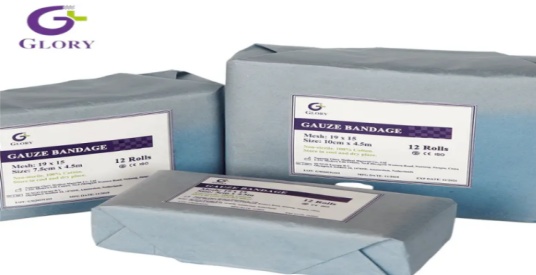
Comparing Gauze Bandage with Other Wound Support Materials
Feature | Gauze Bandage | Adhesive Bandage | Elastic Bandage |
Breathability | High | Moderate | Moderate |
Flexibility | Very flexible | Limited | High |
Suitable for large wounds | Yes | No | Sometimes |
Dressing compatibility | Excellent | Limited | Good |
Ease of application | Easy | Very easy | Moderate |
This comparison illustrates why gauze bandages remain one of the most versatile wound care solutions.
Choosing High-Quality Gauze Bandage for Medical Use
Material purity and safety
Medical gauze bandages are typically made from high-quality cotton fibers to ensure softness and safety. Proper manufacturing processes help remove impurities that could irritate the skin.
Soft cotton structures also reduce friction against sensitive tissue.
Absorbency and durability
Good gauze bandages should absorb moisture effectively while maintaining structural integrity during use. Durable weaving prevents tearing or excessive stretching during application.
This reliability is especially important in professional healthcare environments.
Consistent manufacturing standards
Healthcare providers rely on consistent product quality. Gauze bandages must meet strict medical manufacturing standards to ensure safety and performance.
At Nantong Glory Medical Material Co., Ltd., our production focuses on maintaining stable quality, reliable absorbency, and safe cotton materials suitable for medical use.
The Role of Gauze Bandage in Long-Term Wound Management
Supporting wound healing environments
Stable dressings help wounds heal more efficiently by maintaining cleanliness and moisture balance. Gauze bandages contribute to this environment by securing protective dressings without interfering with airflow.
Reducing dressing movement
Movement can disrupt the healing process by exposing wounds or disturbing tissue regeneration. Gauze bandages minimize dressing movement, ensuring the wound remains protected.
Improving patient comfort
Comfort is a major factor in long-term wound care. Lightweight gauze bandages allow patients to move naturally while keeping dressings stable.
This flexibility supports both recovery and daily activity.
Conclusion
Proper wound care depends on reliable materials that can protect injuries while supporting the body’s natural healing process. Gauze Bandage continues to be one of the most practical and versatile tools for securing dressings, protecting wounds, and maintaining hygienic coverage across a wide range of medical situations. From everyday first aid to post-surgical recovery, the effectiveness of a wound dressing often depends on how well it is stabilized and protected.
At Nantong Glory Medical Material Co., Ltd., we focus on manufacturing high-quality medical supplies that help healthcare professionals and caregivers perform wound care safely and efficiently. Our gauze bandage products are designed to provide reliable absorbency, flexibility, and durability for various medical applications. If you would like to learn more about our medical gauze products or explore suitable wound care materials for your healthcare needs, we welcome you to contact our team for more information about medical gauze bandages and related solutions.
FAQ
What is a gauze bandage mainly used for?
A gauze bandage is primarily used to secure wound dressings, protect injuries, and provide gentle support to injured areas during the healing process.
Can gauze bandage be used for large wounds?
Yes. Gauze bandages are commonly used to secure large dressing pads for bigger wounds or post-surgical sites because they can wrap around larger body areas.
How tight should a gauze bandage be applied?
A gauze bandage should be wrapped firmly enough to hold the dressing in place but not so tight that it restricts blood circulation.
Are gauze bandages suitable for emergency first aid?
Yes. Gauze bandages are widely used in first aid kits because they are versatile, easy to apply, and effective for stabilizing wound dressings in emergency situations.
