


Gauze Swabs: The Key To Effective Wound Care And Infection Prevention
Views: 0 Author: Site Editor Publish Time: 2026-01-20 Origin: Site


Wound care is one of the most critical aspects of medical treatment, especially when it comes to preventing infections and promoting faster healing. Gauze swabs, a staple in medical supplies, play a vital role in the treatment of wounds. These absorbent pads are designed not only to absorb wound exudate (fluid that leaks from a wound) but also to help isolate the wound from external bacteria, offering an essential line of defense against infection.
Gauze swabs are often used in both minor and major wound care treatments. Whether it’s a small cut, surgical wound, or more serious injury, these versatile swabs provide a crucial barrier against contaminants while helping the body heal naturally. Their application is widespread in hospitals, clinics, and home care settings due to their effectiveness and ease of use.
What Are Gauze Swabs?
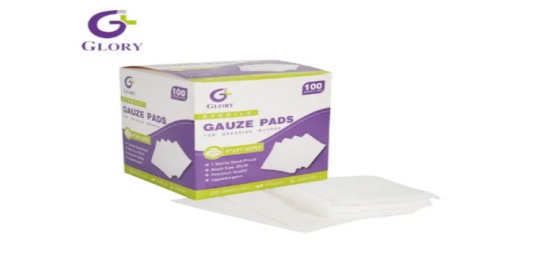
Gauze swabs are typically made from a woven or non-woven fabric, usually cotton or synthetic fibers, designed to be highly absorbent. These swabs are used to clean and dress wounds, absorb any fluids exuding from the wound, and prevent contamination by external bacteria. They come in various sizes and shapes, depending on the intended use, and are often sterilized to ensure they are safe to use on open wounds.
The design of gauze swabs ensures that they are soft enough to not irritate the wound while being absorbent enough to take in moisture without sticking to the wound. Their texture and structure help promote faster healing by allowing air circulation around the wound while still providing protection from external elements.
Types of Gauze Swabs
Woven Gauze Swabs: These swabs are made from woven cotton and offer a high level of absorbency. They are ideal for use in general wound care and are gentle on the skin.
Non-Woven Gauze Swabs: Made from synthetic fibers, these swabs are softer and more durable than woven gauze. They are commonly used for more sensitive wounds, as they are less likely to cause irritation.
Sterile Gauze Swabs: These swabs come in individual sterile packaging, ensuring that they are free from bacteria and other pathogens. They are perfect for use on open or surgical wounds.
Antibacterial Gauze Swabs: Some gauze swabs are impregnated with antimicrobial agents to help prevent infection at the wound site. These are often used for deeper or more severe wounds.
How Do Gauze Swabs Absorb Wound Exudate?
One of the primary functions of gauze swabs is to absorb wound exudate—the fluid that is produced as a natural part of the body’s healing process. Exudate can be composed of water, electrolytes, proteins, and even bacteria, depending on the severity and type of wound. By absorbing this fluid, gauze swabs help maintain an ideal moisture balance in the wound, preventing it from becoming too dry or too wet.
Excessive moisture can lead to the formation of maceration (softening of the skin around the wound), which can delay healing. On the other hand, too little moisture can cause the wound to dry out, forming a scab that can disrupt the healing process. Gauze swabs absorb the exudate without disrupting this natural process, promoting an optimal healing environment.
The absorbency of gauze swabs depends on the material they are made from, with non-woven swabs typically having a higher absorbency rate than woven swabs. They can hold large amounts of fluid, ensuring that excess moisture does not compromise the healing process or cause discomfort.
How Do Gauze Swabs Isolate External Bacteria?
Bacterial contamination is one of the most common causes of wound infection. For a wound to heal properly, it must remain free from harmful pathogens that can cause further complications, such as prolonged infection or sepsis. Gauze swabs help by creating a barrier between the wound and the external environment, reducing the risk of contamination.
The gauze swab itself, when properly placed over a wound, can isolate the wound from dirt, dust, and bacteria in the air. Additionally, many sterile gauze swabs are treated with antimicrobial agents to offer an extra layer of protection. This antimicrobial treatment helps kill bacteria that come into contact with the swab, making it especially important for surgical wounds or larger cuts.
Advantages of Using Gauze Swabs in Wound Care
Advantages | Applications |
Absorbs exudate efficiently | Wound care for cuts, abrasions, and surgical sites |
Prevents bacterial contamination | Essential for sterile environments and protecting open wounds |
Promotes faster healing by maintaining moisture balance | Used in both home care and clinical settings |
Flexible and versatile | Suitable for various types of wounds and sizes |
Gauze swabs provide a simple yet highly effective solution for wound care. By offering both absorbency and a barrier against external contaminants, they allow for natural healing without compromising safety. Their versatility makes them suitable for treating everything from minor injuries to major surgical wounds.
Best Practices for Using Gauze Swabs
To maximize the benefits of gauze swabs and ensure proper wound care, it is essential to follow a few best practices:
1. Clean the Wound First
Before applying any gauze swab, the first step is to clean the wound thoroughly. Cleaning is crucial to remove any dirt, debris, or bacteria that might be present, which can potentially cause an infection. Using a mild antiseptic solution or saline solution is the best approach, as these are gentle on the skin while effectively cleaning the wound. Apply the solution with a clean gauze or cotton pad, wiping the area around the wound gently to prevent irritation. Once the area is cleaned, allow it to dry for a few moments before proceeding with the gauze application. This helps avoid trapping moisture under the swab, which can delay healing and encourage bacterial growth.
2. Choose the Right Size and Type
Choosing the right gauze swab is essential for effective wound management. Gauze swabs come in various sizes and types, so it’s important to select one that fits the size of the wound. For larger wounds, a larger gauze swab or multiple swabs may be necessary to cover the entire area properly. Gauze swabs come in both woven and non-woven materials. Woven gauze is more absorbent and is typically used for general wound care, while non-woven gauze is smoother and gentler, often preferred for more sensitive areas or post-surgical wounds. Additionally, you need to determine whether sterile or non-sterile gauze is required. Sterile gauze is essential for open or surgical wounds to prevent contamination, while non-sterile gauze can be used for minor wounds or for cleaning purposes.
3. Apply the Gauze Swab Gently
When applying the gauze swab, be gentle and careful to avoid causing further damage to the wound. Place the gauze swab directly on the wound surface, ensuring it is in full contact with the affected area. Gently press the gauze onto the wound to allow it to absorb any exudate (fluids that come from the wound). Avoid pressing too hard, as this can cause irritation or disturb the tissue underneath, especially if the wound is still healing. If the wound is deeper or larger, you may need to layer multiple swabs or use a thicker dressing to ensure adequate coverage and absorption.
4. Change the Gauze Regularly
To maintain a clean and healthy environment for the wound, it is essential to change the gauze regularly. The frequency of changing the gauze depends on the type and size of the wound, as well as the amount of exudate being produced. Typically, gauze should be replaced once every 24 hours or more frequently if it becomes saturated with fluids. A wet or soiled gauze can lead to maceration (softening of the skin around the wound), which can delay healing. Replacing the gauze regularly also helps prevent the buildup of bacteria and promotes a cleaner healing process. Always ensure that the new gauze is applied properly and that the wound is clean before reapplying.
Conclusion
Gauze swabs are an essential part of wound care, offering both absorbency and protection against bacterial contamination. Whether you're dealing with minor cuts, post-surgical wounds, or chronic injuries, using the right type of gauze swab ensures proper healing while preventing infection. By absorbing wound exudate and isolating external bacteria, gauze swabs provide an ideal environment for healing, making them indispensable in medical and home care settings.
At Nantong Glory Medical Material Co., Ltd., we specialize in producing high-quality gauze swabs for various applications. Whether you need sterile gauze for surgical use or non-woven swabs for daily wound care, our products meet the highest standards of quality and safety. Contact us to learn more about our full range of gauze swabs and wound care solutions.
FAQ - Frequently Asked Questions
1. What are the benefits of using gauze swabs for wound care?
Gauze swabs help absorb wound exudate, prevent bacterial contamination, and maintain the right moisture balance, all of which contribute to faster and safer healing.
2. Can I use gauze swabs for all types of wounds?
Yes, gauze swabs are versatile and can be used for various wounds, including cuts, abrasions, surgical wounds, and chronic ulcers.
3. How often should I change the gauze swab on a wound?
It is recommended to change the gauze swab at least once every 24 hours or sooner if it becomes saturated with exudate.
4. Are there different types of gauze swabs for different wounds?
Yes, gauze swabs come in various sizes and materials, such as woven or non-woven, and can be either sterile or non-sterile, depending on the wound type and the required level of hygiene.
