


What Is A Laparotomy Sponge And Why Is It Essential in Surgery?
Views: 0 Author: Site Editor Publish Time: 2026-01-23 Origin: Site


In the world of surgery, laparotomy sponges are indispensable tools that play a critical role in ensuring patient safety and surgical efficiency. While they are commonly used in abdominal surgeries, their benefits extend to various types of surgical procedures. The primary purpose of these sponges is to absorb excess fluids, maintain a sterile environment, and prevent complications such as infection or retained surgical items (RSIs), which can lead to serious post-operative complications.
At Nantong Glory Medical Material Co., Ltd., we specialize in producing high-quality laparotomy sponges designed to meet the needs of modern surgical environments. As a leading provider of medical materials, we are committed to offering solutions that ensure the success and safety of every procedure.
What Are Laparotomy Sponges?
Laparotomy sponges are large, absorbent medical sponges used primarily in surgery to absorb blood, bodily fluids, and other contaminants during procedures. These sponges are designed specifically for abdominal surgeries, where substantial amounts of fluids may accumulate. They come in various sizes, shapes, and materials, and are often equipped with a radio-opaque thread to make them visible on X-rays. This thread ensures that the sponges are not inadvertently left inside the patient's body, preventing potentially life-threatening complications.
These sponges are typically made from cotton or other soft, absorbent materials, and their main function is to keep the surgical area clean and free of excess fluids. Without these sponges, surgeons would struggle to maintain a clear and sterile environment, potentially leading to infection or errors during the procedure.
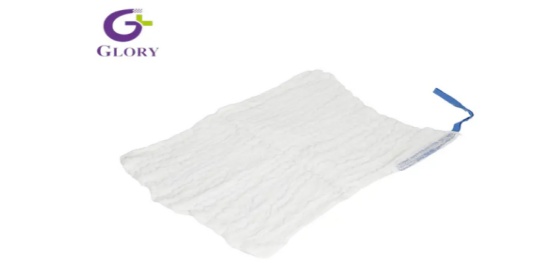
The Essential Role of Laparotomy Sponges in Surgery
Laparotomy sponges are crucial to the success of any surgical procedure, especially abdominal surgeries. Their role goes beyond simply absorbing fluids; they help maintain a safe and sterile environment while supporting the surgeon’s precision. Let’s delve deeper into why these sponges are considered essential during surgery.
1. Fluid Absorption and Control
During many surgical procedures, particularly laparotomies (abdominal surgeries), a significant amount of blood, plasma, and other bodily fluids can accumulate. Laparotomy sponges are specifically designed to manage these fluids by absorbing them efficiently, keeping the surgical area clean and preventing obstruction during delicate procedures. The accumulation of fluid can severely impair the surgeon’s ability to see and operate effectively, potentially leading to complications. Laparotomy sponges play a vital role in ensuring that the surgical field remains visible, precise, and free from interference.
Preventing Pooling:
The primary role of laparotomy sponges is to absorb excess fluids that may accumulate during surgery. Without the proper fluid management, the fluids can pool and obstruct the surgical site, making it difficult for the surgeon to perform intricate operations. By absorbing the fluids, laparotomy sponges prevent this pooling, allowing the surgeon to have a clear, unobstructed view of the area being treated. This contributes directly to the accuracy of the procedure, ensuring that the surgeon can work with precision.
Improved Visibility: Clear visibility is essential for surgeons, especially when dealing with critical areas like organs or blood vessels. The sponge’s ability to control and absorb fluids ensures that the surgical team can maintain a clean and visible workspace, which ultimately results in better patient outcomes.
Maintaining Sterility:
In addition to absorbing fluids, laparotomy sponges help maintain a sterile environment throughout the surgical process. The surgical site must remain free of contaminants to reduce the risk of infection. As laparotomy sponges absorb fluids, they also prevent contaminants from coming into contact with the exposed tissues. This is crucial in minimizing the risk of post-surgical infections, which can complicate recovery and increase the likelihood of adverse effects.
Protection Against Contamination: By absorbing excess fluid, laparotomy sponges act as a barrier against contaminants, helping to maintain sterility and avoid infections during the surgery.
2. Minimizing Infection Risk
Infections are one of the most common complications after surgery, and they can significantly hinder the healing process. Laparotomy sponges are essential tools in minimizing the risk of infection during and after surgery. The sponges are designed to absorb moisture and bodily fluids, which could otherwise serve as breeding grounds for bacteria. By keeping the surgical site dry, clean, and free from contaminants, laparotomy sponges play a crucial role in ensuring that the surgical procedure is as safe as possible.
Absorption of Blood and Bacteria:
Blood and bodily fluids are potential breeding grounds for bacteria, which can lead to infections if left untreated. Laparotomy sponges absorb blood and fluids, preventing these substances from coming into contact with the wound or surgical site. This significantly lowers the risk of post-surgical infections by keeping harmful pathogens away from the open tissue.
Infection Prevention: By absorbing excess moisture, laparotomy sponges help reduce the chance of bacteria growing or multiplying in the wound, which is crucial for preventing infections and ensuring a smooth recovery.
Sterile Handling:
Laparotomy sponges are manufactured with sterility in mind, ensuring that they do not introduce harmful bacteria or pathogens into the surgical environment. The sponges are usually individually wrapped and sterilized before use, maintaining the highest level of cleanliness during the procedure. The use of sterile sponges ensures that the surgical team does not inadvertently introduce contaminants, which could compromise the outcome of the surgery.
Safe and Clean: Sterile laparotomy sponges contribute to maintaining a hygienic surgical environment, ensuring that only the necessary equipment is used and preventing any risks of infection during the procedure.
3. Preventing Retained Surgical Items (RSIs)
One of the most dangerous risks in surgery is the potential for retained surgical items (RSIs), such as sponges, to be left inside the patient’s body. Laparotomy sponges are equipped with radio-opaque threads, making them visible on X-rays. This feature is critical in preventing RSIs, as it allows surgeons and medical staff to confirm that all items have been removed from the surgical site before closing the incision.
Radio-Opaque Thread: The thread within the sponge is visible on X-rays, which allows for thorough post-surgical checks to ensure that no sponge is left behind.
Preventing Complications: RSIs can lead to serious complications, such as infection, organ damage, or even death. Using laparotomy sponges with radio-opaque threads significantly reduces this risk.
How to Choose the Right Laparotomy Sponge
Selecting the right laparotomy sponge for a surgical procedure depends on various factors, including the type of surgery, the expected amount of fluid, and the surgeon’s preferences. Below are a few considerations when choosing a laparotomy sponge:
Factor | Consideration |
Size | The size of the sponge should be appropriate for the surgery being performed. Larger surgeries may require larger sponges. |
Material | Sponges are commonly made of cotton, rayon, or a blend of fibers. Choose based on absorbency and softness. |
Radio-Opaque Thread | Ensure the sponge is equipped with a radio-opaque thread to avoid RSIs. |
Sterility | Always select sterile laparotomy sponges to prevent infection during surgery. |
Choosing the right laparotomy sponge ensures the efficiency of the surgical procedure while safeguarding the patient’s health.
Why Laparotomy Sponges Are Essential for Orthopedic Surgeries
Although laparotomy sponges are most commonly associated with abdominal surgeries, they also have valuable applications in orthopedic procedures. During orthopedic surgeries such as joint replacements, bone realignment, and spinal operations, laparotomy sponges are used to absorb fluids and maintain cleanliness in the surgical field.
Fluid Absorption in Orthopedics: In orthopedic surgeries, especially those involving large joints or the spine, the accumulation of blood and other fluids is common. Laparotomy sponges help absorb these fluids, ensuring that the surgical site remains dry and visible.
Enhanced Precision: With a clear view of the surgical area, orthopedic surgeons can work with greater precision, minimizing the risk of complications and ensuring a successful outcome.
Conclusion
Laparotomy sponges are essential tools in surgery, particularly in abdominal procedures, where their ability to absorb fluids, maintain sterility, and prevent retained surgical items is critical to patient safety. Their versatility also extends to orthopedic surgeries, where they help manage fluid accumulation and support precise procedures. By choosing the right laparotomy sponges, medical professionals can improve the quality of care, reduce infection risks, and ensure a smoother surgical process.
At Nantong Glory Medical Material Co., Ltd., we specialize in producing high-quality laparotomy sponges that meet the rigorous demands of modern surgery. Our sponges are designed with radio-opaque threads for added safety and are available in various sizes and materials to suit your specific needs. If you are looking for reliable, durable, and sterile laparotomy sponges, feel free to contact us. Our team is here to provide the support and products you need to enhance your surgical outcomes.
FAQ Section
1. What are laparotomy sponges used for in surgery?
Laparotomy sponges are primarily used to absorb excess fluids, maintain a sterile environment, and prevent retained surgical items (RSIs) during surgery, particularly abdominal procedures.
2. How do laparotomy sponges help prevent infections?
These sponges help absorb blood and bodily fluids that could become a breeding ground for bacteria. By keeping the surgical site dry, they reduce the risk of post-surgical infections.
3. What is the importance of radio-opaque threads in laparotomy sponges?
Radio-opaque threads make laparotomy sponges visible on X-rays, ensuring that they are not accidentally left inside the patient’s body, thereby preventing dangerous complications from RSIs.
4. Are laparotomy sponges used in orthopedic surgeries?
Yes, laparotomy sponges are used in orthopedic surgeries to absorb fluids and maintain a clean, dry environment, which is essential for the success of procedures like joint replacements and spinal surgeries.
