


What Is the Difference Between an Elastic Bandage and a Cohesive Bandage?
Views: 0 Author: Site Editor Publish Time: 2026-08-05 Origin: Site


Precise compression and secure dressing retention dictate the success of orthopedic support, sports medicine, and post-operative care. Applying the wrong wrap compromises patient safety and delays recovery. Medical professionals, athletic trainers, and supply managers constantly face the choice between traditional woven wraps and modern self-adhering alternatives. Confusing these two introduces severe operational and clinical risks. If you apply a self-adhering wrap using the tension techniques meant for a traditional woven wrap, you risk creating a tourniquet effect that restricts blood flow and damages tissue. Conversely, using a traditional wrap when a self-adhering one is needed leads to premature dressing failure, skin maceration, and dangerous slippage during movement. Improper selection directly impacts patient outcomes and forces frequent re-applications. This technical comparison evaluates material properties, application mechanics, patient compliance, and lifecycle costs to help you optimize inventory for specific clinical scenarios.
Adhesion Mechanics: Traditional elastic bandages require external fasteners (clips, tape, or hook-and-loop closures), whereas cohesive bandages utilize a specialized coating to adhere only to themselves, not to skin or hair.
Reusability vs. Single-Use: Standard elastic wraps are designed for durability and repeated washing, offering long-term value; cohesive wraps are generally single-use, prioritizing hygiene and rapid application.
Compression Profiles: Traditional options offer highly adjustable, dynamic compression for managing edema and joint instability, while cohesive options excel at maintaining fixed tension without slipping during high-movement activities.
Material Compliance: Procurement teams must evaluate latex content, as many traditional cohesive wraps utilize natural rubber latex for adhesion, necessitating latex-free alternatives for compliant clinical environments.
Defining the Traditional Elastic Bandage: Mechanics and Capabilities
Terminology and Categorization
The term Elastic Bandage covers various stretchable cloths designed for medical and athletic support. This category includes light-support cotton crepe rolls, PBT (polybutylene terephthalate) bandages, and heavy-duty, high-compression variants. Many professionals refer to these high-compression wraps by brand names like Tensor. The core function remains consistent: providing stretchable, adjustable tension to a limb or joint. Categorizing these wraps depends on their stretch capacity and the specific fibers used in their construction. You will find different weights and weaves tailored for specific clinical needs, ranging from simple wound covering to heavy joint stabilization.
Material Composition and Extensibility
Standard wraps rely on a robust woven construction. Manufacturers blend woven cotton, polyester, and elastane or spandex to achieve the desired stretch and recovery profile. The specific ratio dictates the wrap's extensibility. Light-support cotton crepe wraps offer an extensibility range of 60 to 90 percent. We use these to hold primary dressings in place without applying excessive pressure. High-compression variants, utilizing higher percentages of elastane, stretch 150 percent or more beyond their resting length. This high extensibility allows the wrap to store mechanical energy, applying consistent, dynamic pressure to reduce severe swelling or stabilize a compromised joint.
Fastening and Anchoring Mechanisms
Because traditional woven wraps lack inherent adhesive properties, they rely entirely on external fasteners or integrated anchoring systems. Historically, metal clips featuring sharp teeth were the standard method for securing the loose end. While effective for short-term, stationary use, metal clips present significant failure points. They bend, detach during prolonged wear, or cause friction burns and skin punctures during athletic activity. Medical tape offers a safer alternative but requires an additional supply on hand. Modern high-compression wraps often feature integrated hook-and-loop closures at one or both ends. While this eliminates loose clips, the hooks degrade over time, accumulating lint and losing grip after repeated washing cycles.
Primary Clinical and Athletic Use Cases
Traditional woven wraps excel in scenarios requiring adjustable, long-term compression. They are the standard tool for acute sprain and muscle strain management. Medical staff use them extensively for chronic edema control, as the tension can be micro-adjusted throughout the day as swelling fluctuates. Furthermore, these wraps secure splints and rigid supports. The ability to unwrap, adjust the tension, and re-wrap the same bandage multiple times makes it the primary choice when dynamic, adjustable compression is the primary success criterion.
Here is the standard application sequence for acute joint support:
Assess the injury site for severe swelling or skin abrasions before application.
Anchor the wrap below the injury site using two overlapping circular turns.
Apply the wrap using a figure-eight pattern, overlapping each previous layer by half its width.
Maintain consistent, moderate tension, ensuring the wrap is tighter at the distal end and looser proximally to promote venous return.
Secure the final layer with tape or integrated hook-and-loop fasteners, avoiding metal clips if the patient will be active.
Check capillary refill in the toes or fingers to confirm adequate circulation.
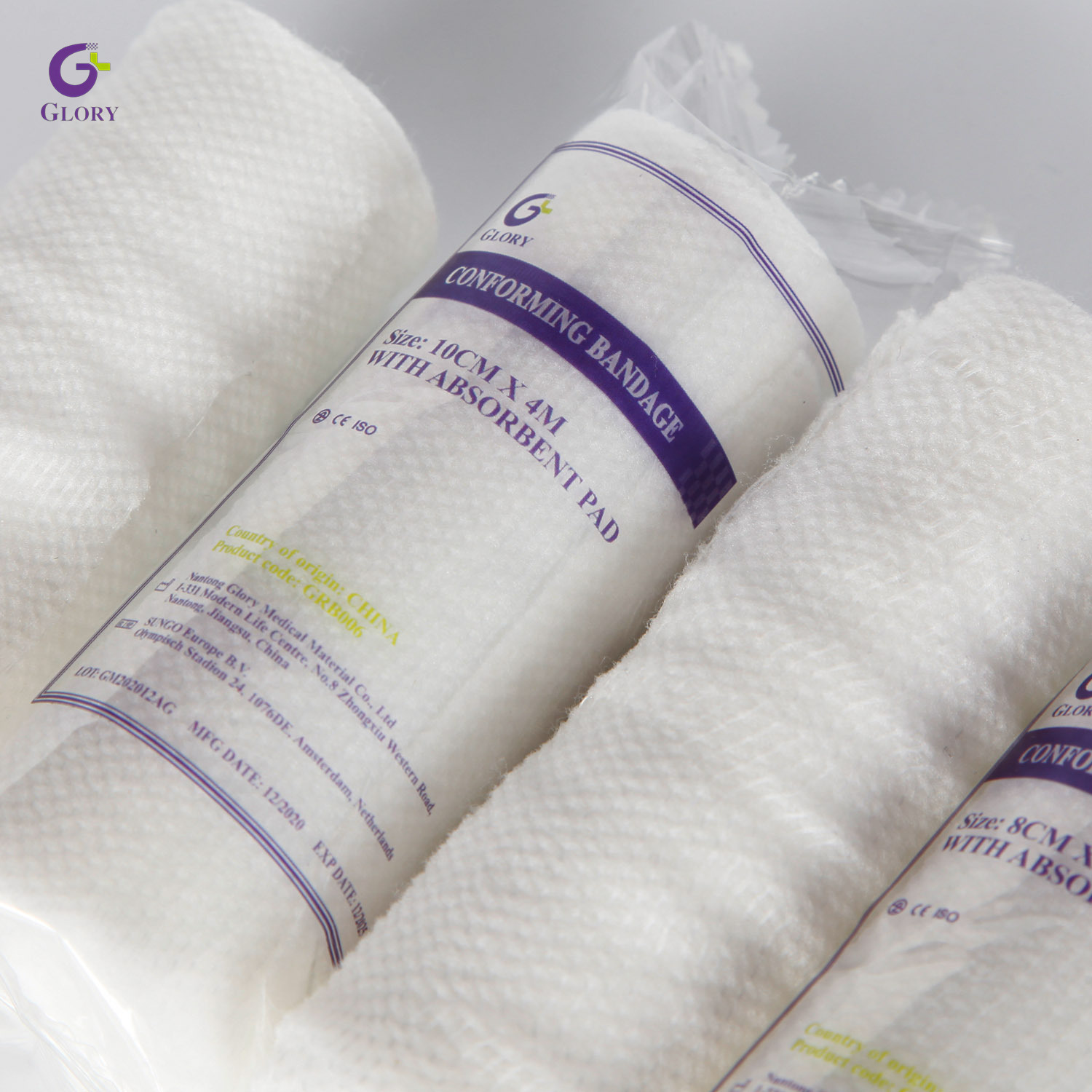
Defining the Cohesive Elastic Bandage: Mechanics and Capabilities
Self-Adherent Properties
The defining characteristic of a Cohesive Elastic Bandage is its ability to bond securely to itself without sticking to epidermal layers, hair, or primary wound dressings. This self-adherent property relies on specific physics and chemical coatings. Manufacturers apply a micro-structured cohesive polymer or a natural rubber latex base to the fabric. When wrapped, these coated layers press together, creating a friction lock that holds the material firmly in place. Because the chemical formulation coheres only to identical polymer structures, it remains completely non-tacky to the touch. This eliminates the painful hair-pulling and skin trauma associated with traditional medical adhesives.
Material Composition and Dynamic Movement
Unlike heavy woven cotton, cohesive wraps utilize lightweight, non-woven fabrics combined with longitudinal elastic yarns. The non-woven construction provides a highly porous structure, allowing for superior moisture vapor transmission and reducing the risk of skin maceration. The natural elasticity of the non-woven material, combined with spandex yarns, allows the bandage to stretch and move dynamically with the body. It provides rigid support without severely restricting range of motion. Additionally, the non-woven synthetic fibers inherently repel moisture, giving cohesive wraps water-resistant properties that outperform heavy, absorbent cotton wraps in wet or sweaty environments.
Primary Clinical and Athletic Use Cases
Cohesive wraps outperform traditional woven wraps in specific, high-demand scenarios. They are the preferred choice for securing primary wound dressings, especially on limbs where adhesive tape fails or causes skin tears. In veterinary medicine, cohesive wraps are indispensable because they do not stick to animal fur. Athletic trainers rely on them for rapid athletic taping, commonly known as spatting, to secure cleats or provide immediate, non-slip joint support during a game. Furthermore, cohesive wraps are ideal for use under athletic braces or rigid splints where bulk must be minimized, as they lay flat and do not require bulky metal clips or thick Velcro strips.
Common applications in sports medicine include:
Securing ice bags tightly to a joint immediately after an injury on the field.
Wrapping over athletic tape jobs to provide a water-resistant outer layer during rainy conditions.
Creating rapid, temporary compression sleeves for minor muscle strains during active gameplay.
Protecting primary wound dressings on high-friction areas like elbows and knees.
Head-to-Head Evaluation: Feature-to-Outcome Analysis
Comparing the performance of these two medical supplies requires analyzing how their features translate into clinical and operational outcomes. The table below outlines the core differences in performance metrics.
Performance Comparison Chart
Performance Metric | Traditional Woven Wrap | Self-Adhering Cohesive Wrap |
|---|---|---|
Compression Control | Highly adjustable; allows micro-adjustments during wear. Prone to slipping as swelling decreases. | Fixed tension; locks immediately upon application. Will not slip, but difficult to adjust once bonded. |
Skin Integrity | Soft woven fabric is comfortable for long-term wear. Fasteners pose a risk of friction or pressure points. | Eliminates adhesive trauma and hair pulling. Ideal for fragile, pediatric, or geriatric skin. |
Reusability | High durability. Can be washed and reused for months, lowering long-term costs. | Strictly single-use consumable. Loses cohesive properties once removed or exposed to dirt. |
Application Speed | Slower application. Requires two hands to secure clips or tape effectively. | Rapid application. Tears easily by hand; can often be applied securely with one hand. |
Compression Control and Support Stability
Traditional woven wraps allow for precise micro-adjustments in tension during application and re-application. If a patient experiences increased swelling, you can easily loosen the wrap. However, this adjustability comes with the risk of slipping. If the patient's swelling reduces significantly, the traditional wrap loosens and slides down the limb, requiring complete re-application. Cohesive wraps lock into place immediately. They prevent slippage during high-movement activities. The trade-off is the difficulty in adjusting tension once the layers bond. Attempting to unwrap and re-wrap a cohesive strip often ruins the material, requiring a fresh roll.
Skin Integrity and Patient Comfort
Patient comfort dictates compliance. Traditional woven wraps are softer against the skin, making them suitable for long-term, multi-day wear with regular removal for hygiene. However, you must take care to avoid friction burns or pressure necrosis caused by metal clips pressing into the skin under a brace or during sleep. Cohesive wraps eliminate the hair-pulling and adhesive skin trauma associated with standard medical tape. This makes them exceptionally ideal for patients with fragile skin, including elderly individuals with paper-thin epidermis or pediatric patients who cannot tolerate painful tape removal.
Reusability, Durability, and Lifecycle Cost
Financial evaluations differ drastically between the two options. Traditional woven wraps carry a higher initial unit cost. However, they are highly cost-effective over a 6 to 12-month lifecycle due to their washability and durability. A single patient can use the same wrap throughout their entire rehabilitation process. Cohesive wraps have a lower initial unit cost but are strictly consumable items. Once removed, the cohesive polymer degrades, and the wrap cannot be washed or reused effectively. This single-use nature drives higher recurring procurement costs for facilities that rely heavily on them.
Ease of Application and Removal
The physical act of applying the dressing highlights a major operational difference. Cohesive wraps offer superior ease of use in emergency or fast-paced environments. The non-woven material tears cleanly by hand, eliminating the need for medical shears. Because it sticks to itself instantly, you can apply a cohesive wrap one-handed, which is a massive advantage for self-application by patients at home. Traditional wraps require scissors to cut and demand two hands to maintain tension while simultaneously securing the metal clips or tape.
Implementation Risks and Mitigation Strategies
Clinical Contraindications
Understanding when not to use these wraps prevents severe clinical complications. Neither bandage is appropriate for rigid immobilization. If a patient requires casting or rigid splinting for a fracture, elastic wraps provide insufficient structural integrity. Furthermore, traditional woven wraps should never be applied directly over open wounds, abrasions, or surgical sites without a sterile primary dressing in place. The woven fibers embed into the healing tissue, causing severe trauma and infection upon removal. Cohesive wraps, while safer over primary dressings, must also never touch open tissue directly due to the chemical polymers used for adhesion.
The Tourniquet Effect and Circulation Risks
The primary danger associated with both bandage types is the restriction of blood flow. The tourniquet effect occurs when a wrap is applied with excessive tension, cutting off venous return or arterial supply. The locking nature of cohesive wraps makes accidental over-tightening exceptionally dangerous. Because the layers fuse together, the wrap will not naturally loosen as the limb swells.
To mitigate this risk, follow these strict application protocols:
Unroll 12 to 18 inches of the cohesive wrap directly from the spool.
Allow the material to relax completely, releasing the factory-applied tension.
Apply the relaxed segment to the limb, using only enough tension to secure the dressing or support the joint.
Repeat the unroll, relax, and wrap process for the entire length of the application.
Never wrap directly off the spool, as this guarantees dangerous over-compression.
Latex Allergies and Facility Compliance
Procurement teams face significant regulatory and liability risks regarding material composition. Historically, the most effective cohesive coatings relied on natural rubber latex. Stocking latex-based cohesive wraps in modern healthcare facilities introduces the risk of severe anaphylactic reactions in patients or staff with latex allergies. To mitigate this liability, facilities must audit their inventory and transition to synthetic, latex-free cohesive alternatives. While early latex-free versions struggled with adhesion, modern synthetic polymers provide excellent cohesive properties without the associated allergy risks, ensuring full clinical compliance.
Storage Degradation
Inventory management practices must account for the different degradation profiles of these materials. Traditional woven elastic degrades primarily through physical wear, over-stretching, and repeated washing in harsh detergents. As long as they are kept dry, their shelf life is extensive. Cohesive bandages have a much stricter shelf life and are highly sensitive to environmental conditions. Exposure to high heat, such as being stored in the trunk of an athletic trainer's car during summer, melts the cohesive polymer. This causes the entire roll to fuse into an unusable, solid brick. Prolonged storage in dry environments can also cause the cohesive coating to desiccate and lose its self-adhering properties.
Procurement and Stocking: Decision Framework
Success Criteria for Clinical and Hospital Settings
Hospital procurement managers evaluate inventory based on departmental needs. In wound care units, the primary goal is secure dressing retention without damaging fragile skin. Cohesive wraps fulfill this requirement perfectly, allowing nurses to secure non-adherent pads quickly and safely. In contrast, orthopedic departments and physical therapy clinics prioritize joint stabilization, edema management, and patient education for home care. Traditional woven wraps are the standard here, as they allow therapists to teach patients how to unwrap, adjust, and re-wrap their injured joints daily. Stocking both types is mandatory, but allocation should follow these departmental success criteria.
Success Criteria for Sports Medicine and First Aid
Athletic trainers and first responders operate under different constraints. In sports medicine, the priorities are sweat resistance, rapid application during active gameplay, and single-use hygiene to prevent cross-contamination between athletes. Cohesive rolls dominate this environment. They survive heavy perspiration, tear by hand on the field, and are immediately discarded after the game. While athletic trainers keep traditional woven wraps for post-game ice pack application or chronic injury management, the bulk of their consumable budget is allocated to cohesive wraps for active, on-field support.
Departmental Stocking Allocation Guide
Department / Setting | Primary Wrap Choice | Key Justification |
|---|---|---|
Wound Care Units | Cohesive Wrap | Prevents skin tears on fragile epidermis; secures non-adherent pads without tape. |
Physical Therapy | Traditional Woven Wrap | Allows daily tension adjustments; highly reusable for long-term rehabilitation. |
On-Field Sports Medicine | Cohesive Wrap | Sweat-resistant; rapid one-handed application; single-use hygiene. |
Post-Op Orthopedics | Traditional Woven Wrap | Accommodates fluctuating post-surgical edema; provides heavy joint stabilization. |
Conclusion
Selecting the correct compression wrap directly impacts patient recovery, skin integrity, and facility supply budgets. To optimize your facility's compression and wound care protocols, execute the following steps:
Audit your current medical supply inventory to identify the ratio of traditional woven wraps to cohesive wraps currently in stock.
Assess your facility's compliance requirements regarding natural rubber latex and immediately replace any non-compliant cohesive rolls with synthetic alternatives.
Request physical samples of both bandage types from your medical suppliers to conduct hands-on evaluations with your nursing or athletic training staff.
Update your internal training protocols to ensure staff understand the unroll, relax, and wrap technique required to prevent the tourniquet effect when using cohesive materials.
FAQ
Q: What is the difference between a Tensor bandage and a cohesive bandage?
A: Tensor is a popular brand name used synonymously with a traditional woven elastic bandage. These traditional wraps require external fasteners like metal clips, tape, or hook-and-loop closures to stay in place. A cohesive bandage features a specialized coating that allows the material to stick securely to itself without the need for any clips or tape.
Q: Does a cohesive elastic bandage provide enough compression for a sprained ankle or muscle strain?
A: Cohesive wraps provide excellent acute, short-term support and are great for securing ice packs or providing immediate stability on the field. However, for severe sprains and strains requiring long-term edema management, a traditional woven wrap is superior. It offers highly adjustable, dynamic compression that you can modify as swelling decreases.
Q: Are cohesive bandages reusable?
A: No, cohesive bandages are single-use consumables. Once you remove the bandage, the micro-structured cohesive coating degrades and loses its ability to bond effectively. Additionally, because medical staff often use them over wounds or during sweaty athletic activities, reusing them presents significant hygiene and cross-contamination concerns.
Q: Do cohesive bandages contain latex?
A: Many standard cohesive bandages utilize natural rubber latex to achieve their self-adhering properties. However, due to the high prevalence of latex allergies in healthcare settings, latex-free options made from synthetic polymers are widely available. Facilities must verify latex-free status to ensure clinical compliance and patient safety.
Q: How do you properly wash a traditional elastic bandage?
A: To maintain the elasticity of a traditional wrap, hand-wash it in lukewarm water using a mild soap. Avoid harsh detergents, bleach, or fabric softeners. Rinse thoroughly, do not wring or twist the fabric, and lay it flat on a clean towel to air-dry. Never put an elastic wrap in a mechanical dryer, as high heat destroys the spandex fibers.
Q: Can you sleep with an elastic bandage on?
A: Medical professionals advise against sleeping with a compression wrap on unless specifically directed by a physician. Blood pressure drops naturally during sleep, and leaving a tight bandage on restricts blood flow, leading to numbness, tingling, or tissue damage. Always loosen or remove the wrap before going to bed.
