


What Size Cotton Roll Suits Dental Procedures
Views: 0 Author: Site Editor Publish Time: 2026-11-18 Origin: Site


Imagine a familiar clinical scenario. A complex restorative procedure is underway. The tooth is perfectly prepped, and the bonding agent is just about to be applied. Suddenly, a sudden influx of moisture derails the entire process. The culprit? An inappropriately sized cotton roll was placed in the vestibule. While this absorbent cylinder might appear to be a basic disposable item, it remains a foundational tool for achieving a pristine working field.
Relying on a one-size-fits-all approach frequently leads to compromised patient comfort or catastrophic bonding failures due to contamination. Because every patient presents with unique oral anatomy, customizing your isolation strategy is absolutely essential. This comprehensive guide breaks down the exact dimensions of isolation barriers available on the market, explains how to match them to specific clinical workflows, and details why precise sizing directly influences procedural success.
Key Takeaways
Standard Sizes Exist: Manufacturers produce these disposables in universally recognized dimensions. Each size is engineered specifically for different anatomical structures and fluid management needs.
Procedure Matching is Crucial: The medium Size #2 serves as the universal standard for general adult restorative work. In contrast, the smaller Size #1 is an absolute necessity for pediatric care.
Fluid Management Equals Success: Proper sizing maximizes fluid uptake. This ensures optimal moisture control, which is critical for the longevity of composite fillings, professional whitening, and orthodontic brackets.
Material Quality Matters: Utilizing pure, non-linting fibers provides the safest barrier without leaving debris or irritating delicate oral mucosa.
Patient Comfort: Selecting the correct anatomical fit prevents soft tissue trauma and significantly minimizes the gag reflex during lengthy treatments.
The Role of the Cotton Roll in Dental Isolation and Saliva Control
Why Moisture Control is Non-Negotiable
Modern restorative work lives or dies by adhesive chemistry. Dental bonding agents and composite resins are inherently hydrophobic during their application phase. If saliva, blood, or gingival crevicular fluid breaches the isolated zone, the micro-mechanical bond instantly fails. Such contamination leads to immediate consequences like debonding, or long-term issues including microleakage and post-operative sensitivity. Therefore, establishing a completely dry field through reliable dental isolation is a non-negotiable prerequisite for any adhesive protocol.
The Mechanics of a Dental Cotton Roll
The clinical effectiveness of this disposable tool lies in its ingeniously simple yet highly functional design. The cylindrical shape naturally conforms to the anatomical contours of the buccal and sublingual vestibules. When positioned strategically in the upper cheek, it acts as a physical barrier that compresses and blocks Stensen’s duct. Furthermore, when placed in the floor of the mouth, it manages secretions from Wharton’s duct. By acting simultaneously as a physical dam and a fluid reservoir, it intercepts moisture long before it can reach the sterile operative site.
Comparing Isolation Methods
Rubber dams provide the ultimate gold standard for absolute moisture elimination. However, they require significant time to clamp and place, which is not always practical for swift adjustments. Dry angles offer excellent cheek retraction but lack the bulk absorption capabilities needed for pooling saliva in the floor of the mouth. Consequently, traditional absorbent rolls remain the most versatile and rapid method for short-to-medium duration procedures. They strike a perfect balance between efficiency and ease of application.
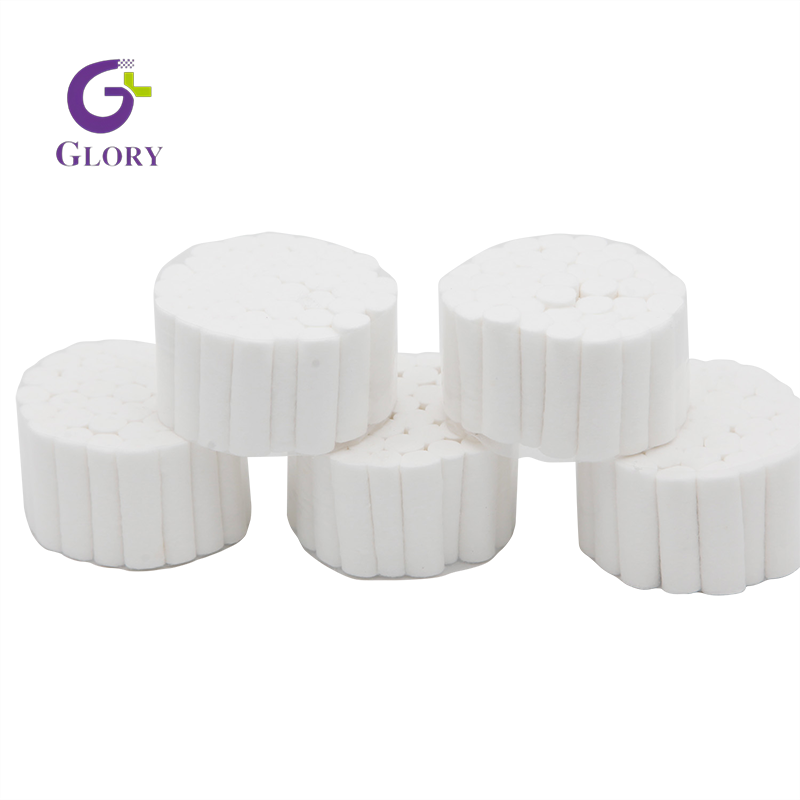
Understanding Standard Cotton Roll Sizes
To accommodate the vast variance in human oral anatomy, dental manufacturers produce these items in standardized categories. Utilizing the appropriate dimension is the first crucial step toward preventing tissue displacement while maximizing clinical efficiency. Below is a core comparison guide to help practitioners standardize their inventory.
Size Category | Approximate Diameter | Target Patient Profile | Ideal Clinical Application |
|---|---|---|---|
Size #1: Small | 8 mm | Pediatric, adolescents, narrow arches | Pedodontics, tight anterior restorations |
Size #2: Medium | 10 mm | General adult population | Routine fillings, crown preparations |
Size #3: Large | 12 mm | Deep vestibules, heavy salivators | Oral surgery, in-office teeth whitening |
Size #1: Small and Pediatric
Measuring roughly 8 mm in diameter, Size #1 represents the smallest standard option. This dimension is engineered specifically for pediatric dentistry or adult patients presenting with exceptionally small dental arches. Specifically, it is excellent for isolating tight anatomical spaces where a standard-sized barrier would cause unnecessary mucosal stretching or physical displacement of soft tissues.
Size #2: Medium and Standard Adult
Universally recognized as the medium standard, Size #2 features a 10 mm diameter. Often referred to as the workhorse of the dental clinic, it is designed for the general adult population and fits comfortably in the average buccal vestibule. It provides an optimal balance, offering sufficient fluid retention without obstructing the clinician's visual field.
Size #3: Large and High Absorbency
As the largest standard option, Size #3 measures 12 mm in diameter. Clinicians generally reserve this robust size for adult patients with unusually deep vestibules or those who exhibit heavy, continuous saliva flow. Its primary clinical applications involve extractions or deep posterior restorations where heavy pooling of fluids is anticipated.
How to Choose the Right Size Cotton Roll for Specific Dental Procedures
Matching the precise physical dimensions of your isolation material to the specific clinical task is an operational decision. It directly impacts workflow smoothness and restorative outcomes.
Restorative Dentistry
During standard restorative procedures, maintaining a clear line of sight is just as important as keeping the tooth dry. Size #2 is typically the optimal choice here. It provides enough bulk to keep the buccal mucosa retracted, yet it is compact enough not to fold over the occlusal table. If a barrier is too large, it can easily obscure the gingival margins, making precise matrix band placement incredibly frustrating.
Pediatric Dentistry
Treating children demands strict adherence to smaller dimensions. Pediatric patients possess shallower vestibules and often exhibit a highly sensitive gag reflex. Attempting to force a standard Size #2 into a child's mouth will inevitably trigger discomfort. Proper size selection using a Size #1 roll respects the anatomical limitations of primary dentition while maintaining a stress-free environment.
Orthodontic Bracket Placement
Orthodontic bonding is notoriously technique-sensitive. It requires simultaneous isolation of entire quadrants or arches. Any moisture contamination during the etching phase will lead to premature bracket failure. Orthodontists frequently utilize multiple Size #2 rolls to secure the vestibule for extended periods. This ensures the enamel remains completely dry without interfering with the trajectory of the curing light.
Teeth Whitening and Cosmetic Procedures
In-office teeth whitening utilizes high-concentration peroxide bleaching agents that can cause severe chemical burns upon contact with soft tissues. In this scenario, sizing is about physical protection as much as it is about fluid control. Size #2 or Size #3 cylinders are strategically wedged to prop the lips and cheeks away from the teeth. This creates a reliable physical bumper that prevents the mucosa from collapsing onto the caustic bleaching gel.
Absorbency Matters: How Size Impacts Moisture Control
Volume vs. Saturation Rate
The physics of absorbency rely entirely on capillary action within the woven fibers. Naturally, a larger volume of material inherently holds a greater volume of liquid. Consequently, a Size #3 will take significantly longer to reach its maximum saturation point compared to a Size #1. However, clinicians must also account for volumetric expansion. As the fibers draw in fluid, they swell. Choosing a size based solely on capacity without considering the available anatomical space can lead to the material encroaching right into the operative site.
The Danger of Over-Saturation
Utilizing an inappropriately small roll for a patient with heavy salivary flow introduces significant procedural risks. A Size #1 placed in an adult patient will reach total saturation within mere minutes. This necessitates frequent interruptions to swap out the soggy material. Every time an isolation barrier is removed and replaced, the chain of isolation is temporarily broken, drastically increasing the risk of saliva flooding the prepared tooth.
Maintaining Shape When Wet
The structural integrity of the material under wet conditions is a primary indicator of manufacturing quality. Inferior products tend to lose their structural binding when saturated, causing them to flatten or dissolve into a mushy consistency. High-quality variants are engineered to retain their rigid, cylindrical shape even at maximum saturation. This ensures continuous retraction of the cheek and tongue regardless of the fluid volume absorbed.
What Are Dental Cotton Rolls Made Of?
Pure Virgin Cotton vs. Synthetic Blends
Medical-grade, pure virgin cotton is the established gold standard for intraoral use. Pure cotton is naturally hypoallergenic, exceptionally soft, and possesses superior capillary action for rapid fluid uptake. In contrast, cheaper alternatives often blend synthetic fibers, such as polyester or rayon, to reduce manufacturing costs. These synthetic blends typically exhibit inferior fluid retention rates and can feel abrasive against delicate mucosal tissues. Furthermore, pure cotton is fully biodegradable, aligning with modern clinical sustainability goals.
The Importance of a Non-Linting Surface
A frequent frustration in clinical practice is dealing with loose fibers left behind in the mouth. To combat this, premium manufacturers apply a specialized, light starch coating to the exterior. This layer binds the outermost fibers together, creating a smooth, non-linting surface. A lint-free exterior prevents stray threads from adhering to the sticky layers of composite resin or becoming dangerously entangled in high-speed dental burs.
Chemical-Free Processing
Because these products sit directly against highly permeable mucosal tissues for extended periods, safety standards dictate rigorous chemical-free processing. While the raw material must be thoroughly cleaned and purified, reputable manufacturers avoid using harsh industrial bleaches or toxic chemical binders. This ensures no residual chemicals can leach into the patient's saliva to cause localized allergic reactions.
Industry Trends: The Evolution of Moisture Management in Dentistry
A closer look at recent industry developments reveals a significant shift in how dental professionals approach moisture management. With the rapid advancement of adhesive dentistry and bioactive materials, the clinical tolerance for moisture is practically zero. Market analysis indicates a growing departure from the traditional one-size-fits-all mentality. Clinics are increasingly refining their disposable inventories, prioritizing procedure-specific sizes to enhance clinical precision. Simultaneously, procurement teams are focusing on sustainable, eco-friendly materials that do not compromise on structural integrity. The integration of patient-centric care models has pushed manufacturers to innovate, resulting in non-linting, ultra-soft barriers designed to elevate comfort during prolonged treatments while maintaining rigorous fluid control.
Top 5 Applications of Medical Cotton Rolls in Clinics and Hospitals
While universally recognized as a dental staple, the high fluid capacity and sterile potential of these products make them indispensable across various multidisciplinary healthcare settings.
Routine Dental Exams: Hygienists use medium-sized cylinders to gently retract the lips and cheeks. This provides an unobstructed view of posterior teeth while protecting soft tissues from ultrasonic scalers.
Endodontics: Strategically placed to absorb any excess chemical irrigants, such as sodium hypochlorite, that might escape the rubber dam seal.
Oral Surgery: Following tooth extractions, patients are instructed to bite down firmly on sterile rolls. The dense shape applies targeted, sustained pressure to the surgical socket to promote rapid hemostasis.
First Aid and Wound Care: In hospital emergency departments, their compact size makes them ideal for dabbing away blood or applying antiseptic solutions precisely.
Personal Hygiene: Their hypoallergenic nature allows for crossover into dermatology, proving highly effective for managing severe epistaxis or applying topical astringents.
Patient Comfort: Why Size Selection Makes a Difference
Preventing Soft Tissue Trauma
The oral mucosa is composed of delicate, non-keratinized epithelial tissue. A documented clinical complication is the cotton roll burn, which occurs when dry fibers aggressively absorb the natural moisture of the mucosa, adhering firmly to the tissue. If a clinician forcefully removes the dry barrier, it strips away the superficial epithelial layer, leaving a painful ulceration. Selecting an appropriately sized product prevents unnecessary friction and stretching against these vulnerable tissues.
Managing the Gag Reflex
The gag reflex is a natural protective mechanism, yet it poses a significant hurdle during dental procedures. The posterior region of the oral cavity contains highly sensitive trigger zones. Placing an oversized Size #3 near the soft palate or the base of the tongue in a patient with a shallow vault will inevitably induce gagging. Proper sizing ensures the material stays within the anterior or mid-buccal regions, safely avoiding these posterior triggers.
The Patient Perspective
From a practice management standpoint, clinical excellence is equally defined by patient compliance and comfort. Dental anxiety is prevalent, and physical discomfort during a procedure validates that anxiety. A patient who experiences mucosal tearing or severe gagging due to poor material selection is unlikely to return. Ensuring a comfortable, trauma-free procedure through meticulous planning directly supports the reputation and financial health of the practice.
Best Practices for Storing and Using Dental Cotton Rolls
Proper Storage for Infection Control
Maintaining the hygienic integrity of disposable supplies is critical. Dental clinics must avoid leaving bulk supplies in open bags or exposed on countertops, where aerosolized particles from high-speed handpieces can easily contaminate them. Practices should utilize specialized, enclosed dispensers that protect the inventory from airborne pathogens.
Application Techniques
Precision in application prevents procedural delays. Clinicians and dental assistants should exclusively use sterile cotton pliers to transfer the item from the dispenser to the patient's mouth. When placing the roll, a slight twisting motion with the pliers helps it adapt smoothly to the buccal curvature. This gently displaces the cheek without pinching the underlying tissue.
Safe Removal Protocol
The most common error in isolation management occurs during removal. To prevent epithelial trauma, practitioners must never pull a dry or semi-dry barrier directly from the mucosa. The standard protocol requires the clinician to lightly spray the saturated material with a small amount of water from the 3-way air/water syringe. This brief rehydration releases the capillary grip the fibers have on the tissue, allowing for safe, painless saliva control management.
Conclusion
Selecting the precise dimensions for your isolation materials is far from a trivial detail. It is a critical engineering component of effective moisture management and overall procedural success. By understanding the distinct applications of different sizes, dental professionals can drastically improve their workflow and clinical outcomes. Practices are highly advised to stock at least Size #1 and Size #2 to comfortably accommodate the vast majority of their daily clinical needs. Take a moment to audit your current dental supplies today. To ensure you are equipped with premium, highly absorbent, and 100% pure virgin cotton products for every patient, explore the professional-grade isolation solutions available at Glory Medic.
FAQ
What is the most common size cotton roll used in dentistry?
Size #2, the medium option, is the industry standard. Measuring approximately 10 mm in diameter, it fits comfortably in the buccal and sublingual vestibules of the vast majority of adult patients. This makes it the most frequently utilized size for routine restorative procedures.
Can I cut a large cotton roll to fit a smaller space?
While physically possible, it is highly discouraged. Cutting destroys the structural integrity of the bound exterior, leading to severe linting. Loose fibers in the mouth can contaminate bonding agents and ruin a procedure. It is always better clinical practice to stock Size #1 rolls for smaller anatomical spaces.
How do cotton rolls compare to braided cotton rolls?
Braided variants feature a tightly woven exterior yarn that holds its shape longer and provides slight mechanical retraction of the cheek or tongue. Standard rolled cotton, however, is generally softer, more adaptable to tissue contours, and often more cost-effective for quick, routine moisture management.
Are dental cotton rolls sterile?
Most standard versions are sold non-sterile but are manufactured in highly controlled, clean environments. This is entirely sufficient for routine restorative and cosmetic work. Fully sterile options, packaged in individual blister packs, are available and should be utilized specifically for surgical procedures like extractions or implant placements.
How can I prevent the cotton roll from sticking to the patient's cheek?
The most effective method is to always spray the material with a small amount of water from the 3-way air/water syringe before attempting to remove it. This hydration releases any dry fibers that have adhered to the mucosal lining, preventing tissue tearing and post-operative discomfort.
How often should cotton rolls be replaced during a procedure?
The replacement frequency depends entirely on the patient's salivary flow rate and the size of the roll used. Typically, they should be swapped every 10 to 15 minutes, or immediately when they appear visually saturated. Leaving a fully saturated roll in place risks fluid pooling and breaking the isolation barrier.
Are there alternatives to cotton rolls for moisture control?
Yes, rubber dams and dry angles are common alternatives. Rubber dams offer absolute moisture isolation but require more time to place. Dry angles are excellent for parotid gland coverage but lack floor-of-mouth absorption. Traditional rolls remain the fastest and most versatile option for bulk fluid uptake.
