


How Do You Apply A Gauze Bandage Properly?
Views: 0 Author: Site Editor Publish Time: 2026-06-21 Origin: Site


Improper wound wrapping doesn't just delay healing. It introduces serious contamination risks and compromises local blood circulation. Whether you are updating a facility's trauma kits, stocking an enterprise first-aid station, or managing home care, applying wound care products requires strict adherence to clinical best practices. Minor injuries can quickly escalate into severe infections when handled poorly. This guide outlines standard operating procedures for applying wound dressings. We cover essential criteria for selecting the right materials for different injury types. You will discover common implementation risks that consistently compromise wound recovery. Mastering these fundamentals ensures maximum safety and hygiene compliance across any care setting. We will walk you through the foundational differences between primary contact layers and secondary wraps. By the end, you will know exactly how to secure wounds efficiently while promoting optimal healing environments.
Key Takeaways
A primary dressing (touching the wound) must always be a sterile gauze bandage or pad, while the secondary bandage (holding it in place) can be non-sterile.
Proper application requires a balance of tension: tight enough to secure the dressing, but loose enough to ensure optimal blood flow and prevent tissue maceration.
Selecting between woven and non-woven, or sterile and non-sterile gauze depends entirely on the wound's exudate (drainage) level and infection risk.
Always check capillary refill before and after application to verify safe wrapping pressure.
Dressings vs. Bandages: Establishing the Right Foundation
Medical terminology often confuses everyday users. Many people use the terms "dressing" and "bandage" interchangeably. However, they serve completely distinct purposes in clinical wound management. Understanding this distinction prevents critical application errors.
Defining the Primary Layer (The Dressing)
The primary layer is the dressing. It must be a Sterile Gauze Bandage or pad placed directly over the open wound bed. This layer interacts directly with broken skin. Success criteria for a good dressing include high absorbency, low linting properties, and robust barrier protection against pathogens. It absorbs blood and exudate while shielding vulnerable tissue from external bacteria. You must always handle this layer with strict aseptic techniques.
Defining the Secondary Layer (The Bandage)
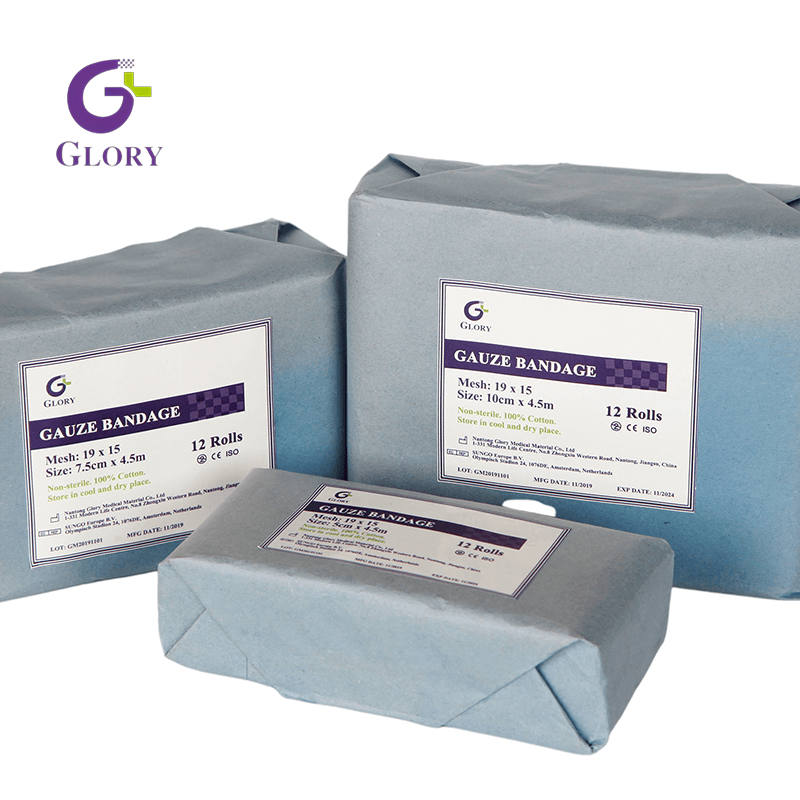
The secondary layer is the bandage. It acts as the mechanical fastener. You use this material to hold the primary dressing firmly in place. A classic example is a rolled gauze wrap. This layer does not need to be sterile. It never directly contacts the open wound. Its main job is applying appropriate tension and protecting the primary dressing from shifting during movement.
Purchasing Implication
Facilities and individuals frequently buy "bandages" when they actually need "dressings." This creates dangerous stock imbalances. Auditing your supply ensures you maintain a functional ratio of both items. This balance is critical for compliant first-aid response. Stocking only non-sterile wraps leaves you unprepared for open lacerations. Stocking only expensive sterile pads leaves you without the means to secure them.
Feature | The Dressing (Primary Layer) | The Bandage (Secondary Layer) |
|---|---|---|
Placement | Directly on the wound bed | Over the primary dressing |
Sterility Requirement | Must be strictly sterile | Can be non-sterile |
Primary Function | Absorb fluids, stop bleeding, block bacteria | Secure dressing, provide compression |
Material Example | Sterile gauze pad, Telfa pad | Rolled gauze, elastic bandage |
When to Use a Sterile Gauze Bandage vs. Standard Rolls
Selecting the right grade of gauze prevents infection and optimizes inventory efficiency. Using premium sterile items for secondary wrapping wastes resources. Conversely, using non-sterile rolls directly on open wounds risks severe bacterial contamination.
Sterile Gauze Evaluation Criteria
Use Case: Reserve sterile items for open wounds, deep surgical incisions, burns, and abrasions with high infection risks. They offer a safe healing micro-environment.
Packaging: These come individually wrapped in sealed, tamper-evident peel-pouches. The packaging maintains integrity until the moment of use.
Cost vs. Risk: Sterile items carry a higher unit cost. However, they are entirely non-negotiable for primary wound contact. Using them meets baseline medical safety compliance.
Standard (Non-Sterile) Gauze Evaluation Criteria
Use Case: Use non-sterile rolls for wrapping over a sterile pad. They also work well for creating temporary splints or applying light compression to closed injuries.
Packaging: Manufacturers often pack these in bulk sleeves or multi-packs. They lack individual sterile barriers.
Cost vs. Risk: These items are highly scalable and cost-efficient. They serve perfectly as secondary securing layers where infection risks remain nonexistent.
Step-by-Step Guide: Applying a Gauze Bandage Properly
Mastering the application technique prevents secondary complications. Poorly wrapped wounds often require premature dressing changes. Follow these structured phases to ensure a secure, hygienic, and comfortable application.
Phase 1: Preparation and Site Security
Sanitize completely: Wash hands thoroughly with soap and warm water. If water is unavailable, use a high-alcohol medical-grade sanitizer. Clean hands are your first defense against infection.
Wear protective gear: Don sterile nitrile or latex gloves. Gloves eliminate cross-contamination between you and the patient.
Prepare the wound bed: Cleanse the wound according to established medical guidelines. A sterile saline flush works best for removing debris. Gently pat the surrounding intact skin dry. Moisture on the surrounding skin prevents medical tape from sticking properly.
Phase 2: Placement of the Primary Dressing
Open carefully: Peel the sterile package open slowly. Do not touch the pad itself. Grasp the edges of the wrapper instead.
Position accurately: Place the pad directly over the center of the wound. Press it down gently.
Avoid repositioning: Do not reposition the pad once it touches the skin. Dragging it across the skin pulls surface bacteria directly into the vulnerable wound bed. If placement fails, discard the pad and use a new one.
Phase 3: Wrapping and Securing
Create an anchor: Take your rolled Gauze Bandage and make two straight wraps around the limb. Place these initial wraps directly over or slightly below the pad to anchor it firmly.
Execute the spiral wrap: Begin wrapping diagonally up the limb. Overlap each subsequent layer by exactly 50%. This half-overlap ensures even pressure distribution. It prevents the material from slipping during patient movement.
Secure the end: Fasten the loose end using medical tape, a self-adhering wrap, or a standard metal clip. Never place medical tape directly over the active wound area. Removing tape later could tear the healing tissue.
Common Application Mistakes and Contamination Risks
Even experienced personnel make application errors under pressure. Recognizing these pitfalls helps you protect tissue viability and promote faster recovery.
The Tourniquet Effect
Wrapping a rolled wrap too tightly restricts arterial or venous blood flow. This mistake causes swelling, throbbing pain, and tissue death. It essentially acts as an unintended tourniquet.
Verification step: Always perform a capillary refill test. Pinch the patient's nail bed distal to the bandage (further down the limb). The nail will turn white. Release the pressure. Healthy pink color should return within two seconds. If it takes longer, the wrap is dangerously tight. You must loosen it immediately.
Linting and Debris
Using cheap, low-ply woven cotton on weeping wounds introduces microscopic risks. These woven fibers shed easily. They leave micro-fibers trapped inside the healing wound bed. The body recognizes these fibers as foreign invaders. This triggers a foreign-body reaction, increasing inflammation and significantly delaying healing. Always use high-quality or non-woven options for primary contact.
Moisture Trapping (Maceration)
More layers do not always mean better protection. Over-wrapping a minor wound with too many layers prevents natural oxygen exchange. It traps body heat and sweat. This trapped moisture causes the surrounding healthy tissue to become soft, white, and wrinkled. We call this maceration. Macerated skin breaks down easily, physically expanding the size of the original wound.
Compromised Sterile Field
Sterility is incredibly fragile. Breathing directly on the pad compromises it. Dropping it on a clean table compromises it. Brushing the face of the pad against your glove instantly downgrades it to non-sterile. Once compromised, you must treat the item as standard material. Never use a compromised pad as a primary dressing.
Evaluating and Shortlisting First Aid Gauze for Your Kit
Building a reliable trauma kit requires strategic procurement. You must evaluate materials based on performance metrics rather than just unit volume. Proper selection directly impacts clinical outcomes.
Material Selection (Woven vs. Non-Woven)
Woven (Cotton): These products consist of natural cotton yarns woven together. They are highly breathable and economical. They serve best for secondary wrapping and general cleaning tasks. However, they shed lint easily.
Non-Woven (Synthetic blend): Manufacturers press synthetic fibers together to create these products. They offer much higher absorbency and virtually eliminate linting. They are vastly superior for primary wound contact, especially for injuries with heavy exudate.
Ply Count and Density
Ply count refers to the number of layers folded into a single pad. You must assess the thickness (e.g., 8-ply versus 12-ply). Higher ply counts absorb significantly more fluid. This density reduces the need for frequent dressing changes on heavily bleeding wounds. Fewer dressing changes mean less disruption to the healing tissue. It also lowers your long-term supply burn rate, optimizing your medical inventory.
Next-Step Action
Audit your current trauma kits or procurement list today. Count your primary dressings and secondary wraps. Ensure you maintain a minimum 3:1 ratio of sterile pads to non-sterile securing rolls. This specific ratio meets typical injury profiles perfectly. Most injuries require multiple sterile pads to control bleeding, but only one roll to secure the site.
Conclusion
Effective wound care relies on precision and protocol. You must correctly distinguish between primary contact layers and secondary securing wraps. Maintaining strict hygiene prevents catastrophic secondary infections. Applying the correct mechanical tension protects local blood circulation and encourages rapid tissue repair.
Stocking the right combination of sterile pads and rolled wraps prepares you for unexpected injuries. Training all users on the specific mechanical steps of application minimizes infection risks. It ensures full compliance with standard clinical first-aid protocols. Take time to audit your kits, upgrade your materials, and practice these wrapping techniques. Proper execution transforms a vulnerable wound into a safely healing environment.
FAQ
Q: How often should a gauze bandage be changed?
A: Change it immediately if the bandage becomes wet, dirty, or saturated with blood and exudate. Otherwise, change it at least once daily. Daily changes allow you to inspect the wound for signs of infection, unless directed otherwise by a medical professional.
Q: How do you keep a gauze bandage from sticking to a wound?
A: Use a non-adherent sterile pad (like Telfa) as the primary layer. Alternatively, you can apply a medically approved barrier ointment, such as petroleum jelly, directly to the wound before placing standard pads. This depends entirely on the specific wound type.
Q: Can you wash and reuse a gauze bandage?
A: No. These medical products are strictly single-use items. Reusing them, even after thorough washing, introduces severe biohazards. It significantly increases bacterial infection risks and compromises patient safety. Always discard used materials in proper waste receptacles.
