


How Does Orthopedic Tape Support Injuries?
Views: 0 Author: Site Editor Publish Time: 2026-06-24 Origin: Site


Managing injury recovery demands a careful balance for athletes and everyday individuals alike. You must maintain functional mobility while ensuring adequate joint stability throughout the healing process. Complete immobilization often leads to undesirable muscle atrophy and joint stiffness. Conversely, unprotected movement risks severe re-injury and significantly delayed healing timelines. Fortunately, Orthopedic Tape serves as a clinically backed intervention to bridge this exact gap. It offers targeted support without completely locking down your natural movement patterns. This comprehensive guide will deconstruct the distinct biomechanical mechanisms behind modern taping techniques. We will compare tape against alternative rigid supports to clarify your options. Finally, you will discover a reliable framework for evaluating and selecting the correct taping materials to match your specific rehabilitation needs.
Key Takeaways
Medical orthopedic tape supports injuries by lifting the skin, improving lymphatic drainage, and providing proprioceptive feedback without restricting the natural range of motion.
It serves a fundamentally different purpose than traditional athletic tape (which immobilizes) or rigid braces (which bear structural loads).
Evaluating tape requires assessing adhesive longevity, material elasticity, and hypoallergenic compliance to avoid skin degradation during multi-day wear.
Proper application technique dictates clinical efficacy; incorrect tensioning can negate benefits or cause friction injuries.
The Clinical Mechanics: How Medical Orthopedic Tape Actually Works
Micro-Decompression & Fluid Dynamics
Modern taping goes far beyond simply wrapping a sore muscle. The primary mechanism involves a physical recoil effect. When applied correctly, the tape gently lifts the uppermost layer of the epidermis. This subtle lift creates essential microscopic space between the skin and underlying tissues. Subcutaneous nociceptors are pain receptors living directly beneath the skin. Injury-induced swelling places immense pressure on these sensitive receptors. By lifting the skin, Medical Orthopedic Tape directly relieves this mechanical pressure. Furthermore, this micro-decompression facilitates enhanced fluid dynamics. Lymphatic channels open up slightly more than usual. The lymphatic system can then flush localized edema much faster. Patients often observe visible reductions in bruising under taped areas within mere days.
Proprioceptive Neuromuscular Facilitation
Beyond fluid management, tape heavily influences your nervous system. Our skin contains countless mechanoreceptors. These receptors constantly send spatial information to the brain. Applying tape provides continuous, targeted tactile feedback during movement. We call this enhanced joint position awareness proprioception. When you extend or flex a taped joint, the skin stretches against the adhesive. This sensation signals the central nervous system instantly. Your brain responds by dynamically correcting biomechanical alignment. If an athlete's ankle begins rolling inward, the sudden skin tension acts as a neurological alarm. The surrounding musculature fires faster to stabilize the vulnerable joint. This neurological facilitation proves invaluable for restoring functional confidence after an acute injury.
Load Distribution, Not Load Bearing
We must address a critical assumption transparently. Tape does not mechanically hold a completely torn ligament together. It lacks the structural rigidity necessary for heavy load bearing. Instead, tape excels at load distribution. It alters specific muscle activation patterns to offload stressed tissues. A strained hamstring needs protection during walking. Proper taping disperses the eccentric load across surrounding fascial networks. The injured muscle fibers experience less direct mechanical stress per step. This distribution allows you to continue basic movements safely. It prevents complete immobilization while protecting the vulnerable tissue from excessive force.
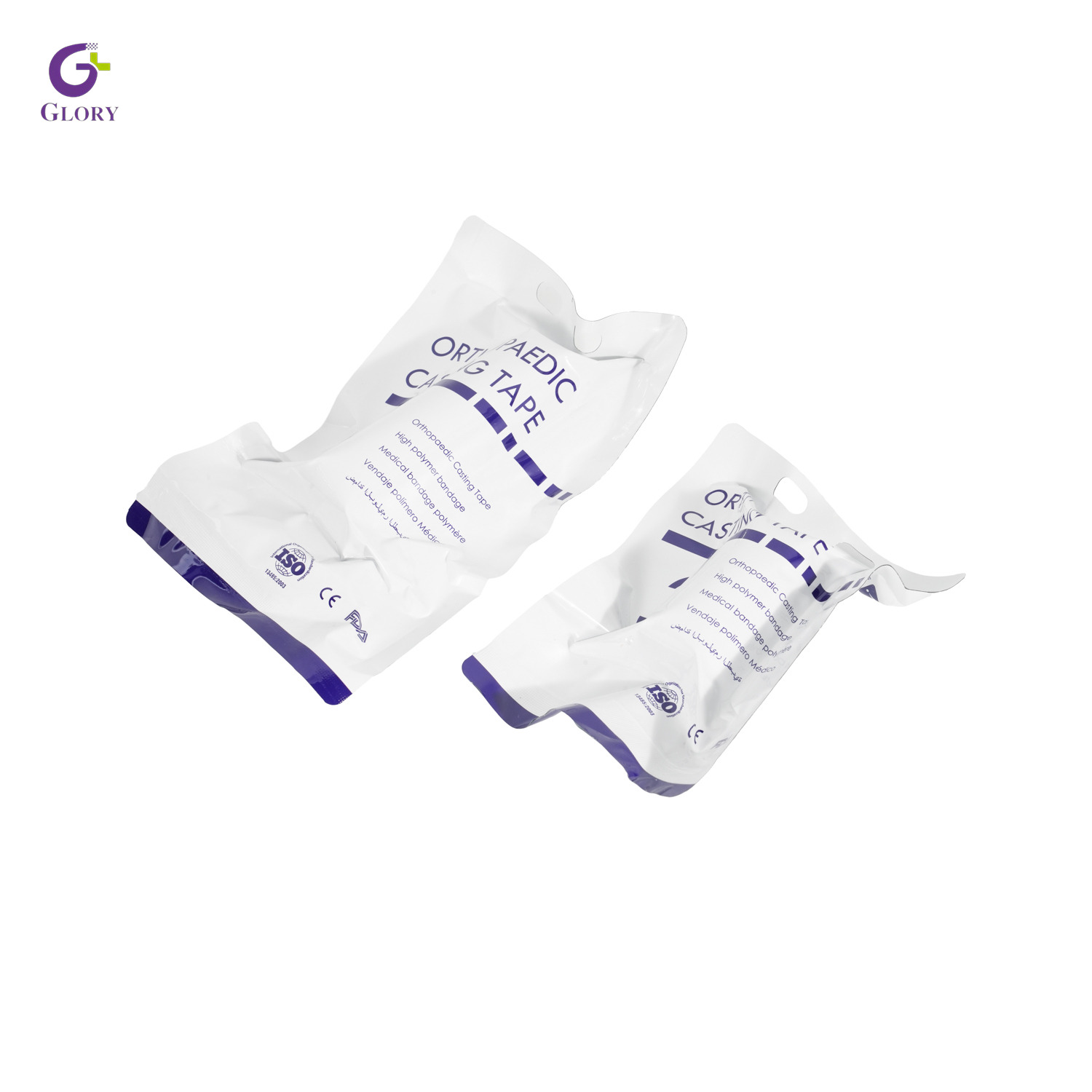
Orthopedic Tape vs. Bracing and Traditional Athletic Tape
Orthopedic/Kinesiology Tape
These tapes feature a highly elastic design. Quality brands engineer them to provide 130-140% longitudinal stretch. This unique elasticity directly mimics human skin properties. The material moves seamlessly with your body. It avoids restricting your fundamental range of motion. Clinicians prefer this option for muscle facilitation and pain modulation. It works exceptionally well for mild-to-moderate joint instability. You can wear it comfortably during dynamic sports or simple daily activities.
Traditional Athletic Tape (White Tape)
Traditional athletic tape uses rigid, non-elastic cotton. Athletic trainers use it strictly for acute immobilization tasks. Imagine locking down a severely sprained ankle before a final game quarter. White tape provides excellent temporary structural restriction. However, it severely restricts blood flow if applied too tightly. You cannot leave it on for extended multi-day wear. It traps moisture easily and degrades rapidly under sustained physical stress.
Rigid Bracing
Rigid braces rely on structural hardware like plastic shells and metal hinges. They serve as essential tools for severe mechanical instability. Post-operative ACL recovery absolutely requires this level of protection. Braces bear structural loads directly when human tissue cannot. Naturally, they feel bulky and limit functional movement significantly. They represent the highest level of mechanical restriction available.
Support Comparison Chart
Support Type | Elasticity Level | Primary Function | Ideal Duration |
|---|---|---|---|
Orthopedic/Kinesiology Tape | High (130-140%) | Neuromuscular feedback, fluid dynamics | 3 to 5 Days |
Traditional White Tape | None (Rigid) | Acute immobilization, motion restriction | Hours (During activity) |
Rigid Hardware Braces | None (Hardware) | Maximum load bearing, severe instability | Weeks to Months |
Decision Matrix: Selecting Your Intervention
Step down from a brace to tape: Choose this when surgical ligaments have healed sufficiently. Use tape when the physician clears you for full-range, unprotected motion but you still need proprioceptive reminders.
Choose elastic over rigid tape: Opt for elasticity when managing swelling or muscle fatigue. Choose it when preserving movement mechanics matters more than locking a joint down completely.
Choose rigid over elastic tape: Select rigid white tape for temporary competitive scenarios where a previously injured joint requires strict mechanical blocking to prevent hyperextension.
Proven Applications: Matching Injuries to Taping Outcomes
Tendinopathies & Overuse Injuries
Overuse injuries plague active populations constantly. Conditions like Achilles tendonitis or tennis elbow require careful load management. Tendons struggle specifically during eccentric movements. An eccentric contraction lengthens the muscle under tension. Applying Orthopedic Tape along the muscle belly reduces this tension. The tape's recoil absorbs a fraction of the mechanical force. This offloading effect provides immediate symptom relief. It allows patients to perform necessary rehabilitation exercises with significantly reduced pain. Chronic tendinopathies respond very favorably to this continuous support.
Post-Acute Sprains & Strains
The post-acute phase of recovery presents tricky challenges. Initial severe swelling has subsided, but residual edema remains. The tissue lacks normal tensile strength. Taping provides dynamic support during this vulnerable transition period. A recovering ankle sprain benefits immensely from specific tape configurations. The strips encourage lingering lymphatic fluid to disperse. Simultaneously, the sensory feedback prevents the patient from reverting to a compensatory limp. It restores normal gait mechanics faster.
Postural Correction & Fatigue Management
Endurance activities destroy proper posture. As muscles fatigue, shoulders round forward and foot arches collapse. Tape acts as an excellent, passive physical cue. Clinicians apply tape across the upper back to address postural slumping. As the patient hunches, the tape tightens noticeably. This mild physical tug reminds the brain to engage the rhomboids and correct the posture. Endurance runners use similar applications on their feet. It helps support the plantar fascia against repetitive impact fatigue over long miles.
Evaluation Criteria: Choosing the Right Orthopedic Tape
Adhesive Quality & Wear Time
Not all adhesives perform equally under stress. You must evaluate acrylic-based, medical-grade adhesives closely. A high-quality product should easily survive three to five days of continuous wear. It must withstand daily showers, heavy sweat, and friction from clothing. Poor quality tape exhibits premature edge curling within hours. Once the edges lift, the entire strip loses its mechanical tension and effectiveness.
Material Composition
Manufacturers generally offer two distinct material compositions. Standard cotton represents the most common option. Cotton breathes exceptionally well and suits standard daily use perfectly. Synthetic blends incorporate nylon and other advanced fibers. These synthetic options offer higher water resistance. They also provide stronger recoil forces. Athletes choose synthetic blends for extreme environments, heavy water sports, or highly dynamic field games.
Hypoallergenic & Compliance Standards
Skin degradation represents a primary failure point in tape adoption. Prolonged adhesive exposure can trigger severe contact dermatitis. You must prioritize hypoallergenic compliance standards. Look for explicitly latex-free certifications. Clinically tested adhesives minimize the risk of painful skin reactions. Always patch-test a small piece of tape on sensitive patients before applying complex, multi-strip applications.
Pre-Cut vs. Continuous Rolls
Pre-Cut Strips: These come ready to apply for specific body parts. They carry a higher unit cost generally. However, they scale well for individual users managing standard, predictable injuries at home.
Continuous Rolls: These offer significantly better budget efficiency. Clinical environments require these rolls exclusively. Therapists need to customize strip lengths precisely. They must adjust tension vectors based on individual patient anatomy. Continuous rolls provide this necessary clinical flexibility.
Implementation Realities: Application Risks and Best Practices
The Tension Risk
Proper technique separates clinical success from painful failure. The most common mistake involves over-stretching the ends of the tape. We call these ends the anchors. Anchors must lay flat against the skin with absolutely zero tension. Stretching the anchors creates intense shearing forces on the epidermis. As the body moves, these forced anchors pull the top layer of skin violently. This friction leads to severe skin blistering within a single day. Always apply the final two inches of every strip without any stretch.
Skin Preparation
Adhesive integrity relies entirely on surface preparation. Human skin naturally produces oils and sheds dead cells. Applying tape over oily skin guarantees premature failure. You must clean the target area thoroughly using rubbing alcohol or basic soap. Wait for the skin to dry completely. Furthermore, excessive body hair blocks the adhesive from reaching the epidermis. Trimming thick hair down to the skin level ensures maximum surface contact and optimal mechanoreceptor stimulation.
Contraindications
We must list scenarios where taping causes active harm. Never apply tape over open wounds, active infections, or unhealed surgical incisions. Patients with active Deep Vein Thrombosis (DVT) must avoid taping. The increased fluid dynamics could potentially dislodge a clot. Elderly patients often possess incredibly fragile, papery skin. Taping such skin risks tearing the epidermis entirely upon removal. Finally, anyone with known severe adhesive allergies should explore non-adhesive compression alternatives instead.
Removal Protocols
Aggressive tape removal causes unnecessary trauma. Tearing tape off like a traditional bandage strips the upper epidermis away. You should employ safe removal techniques always. Press one hand down firmly on the skin right next to the tape. Slowly roll the edge of the tape back over itself. Do not pull it straight up away from the body. For stubborn adhesives, soak the tape in baby oil or specialized adhesive remover for five minutes. The oil breaks down the acrylic bonds, allowing the tape to slide off effortlessly.
Conclusion
Ultimately, Medical Orthopedic Tape remains a powerful adjunct to active rehabilitation. It is not a magical, standalone cure. It excels at facilitating movement, reducing pain signals, and managing swelling effectively. Your decision path requires clear logic. First, define the mechanical need of your injury. Determine if you require mobility or strict immobilization. Next, verify material safety and hypoallergenic compliance. Finally, prioritize precise application techniques to prevent skin damage. We strongly recommend consulting with a licensed physical therapist for your initial diagnostic taping. Once you understand the correct tension and placement, you can confidently source reputable tape for ongoing home management.
FAQ
Q: How long can you leave medical orthopedic tape on an injury?
A: The optimal wear time typically ranges from three to five days. High-quality acrylic adhesives easily withstand daily showers and moderate sweating during this period. You should remove the tape immediately if you notice severe edge curling, intense itching, or visible skin redness. Beyond five days, the material loses its elastic recoil and provides no clinical benefit.
Q: Does the color of the tape indicate different strengths or properties?
A: No. In most major brands, color is purely aesthetic and serves no functional purpose. The tension, stretch capacity, and adhesive strength remain identical across all colors. Some patients simply prefer subtle beige tones for work, while athletes often choose bright colors for team matching. Properties are dictated entirely by the underlying material blend.
Q: Can I apply orthopedic tape myself, or do I need a professional?
A: Basic applications are quite DIY-friendly. Simple techniques for calf support or postural reminders are easy to learn. However, complex joint offloading requires deep anatomical knowledge. We strongly suggest initial professional guidance. A physical therapist will ensure you do not inadvertently restrict necessary movement or cause skin damage through incorrect tensioning.
Q: Will orthopedic tape lose its effectiveness if it gets wet?
A: Medical tape maintains its effectiveness when wet. The acrylic adhesives activate through body heat and resist water well. After showering or swimming, simply pat the tape dry with a towel. Do not use a high-heat hair dryer, as this bakes the adhesive into the skin. Synthetic blends dry much faster than standard cotton alternatives.
